Buying land (especially in Nigeria) without proper title verification can expose a buyer to multiple sales, family disputes, government acquisition, fraudulent documents, or litigation. Due diligence should therefore come before substantial payment.
Buying land is not just about paying money—it’s about securing ownership the right way. Don’t buy land blindly, master land titles and verification in simple ways. Go from confusion to confidence by following this smart buyer’s guide to land titles and verification.
Here’s what you need to know.
What Are Land Titles?
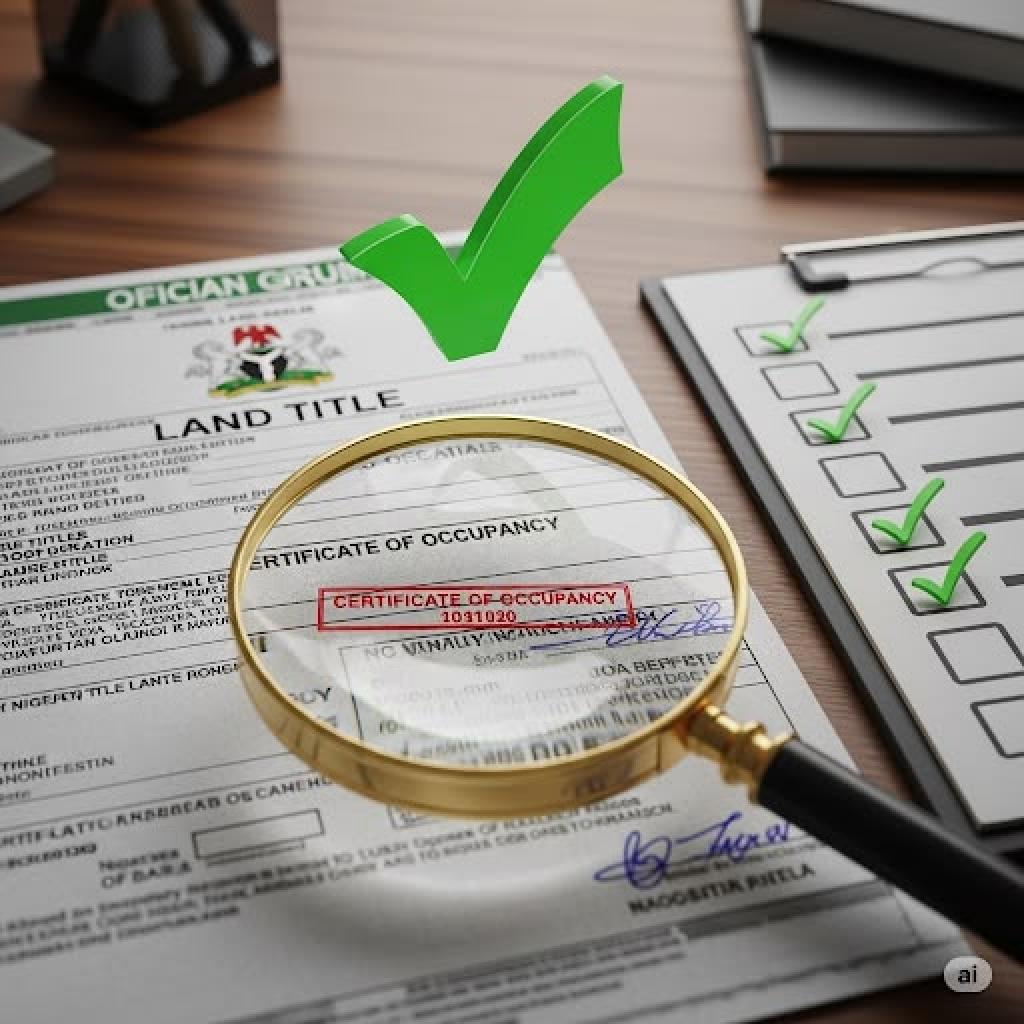
Land titles are legal documents that prove ownership of a property. The most common in Nigeria include:
Certificate of Occupancy (C of O)
Deed of Assignment
Power of Attorney
Governor’s Consent
Registered Survey Plan
Each document tells a story about the land—who owns it, and whether it’s legally safe.
Why Verification Is Important
Skipping verification can lead to:
Buying from the wrong owner
Government-acquired land issues
Family or legal disputes
Loss of millions of naira
How To Verify Land Property
Start by asking for the land’s title. Common ones to request from the seller include:
Certificate of Occupancy (C of O)
Deed of Assignment
Power of Attorney
Governor’s Consent
Survey Plan
Make sure the name on the document matches the seller.
Conduct a Land Registry Search
Visit the State Land Registry where the property is located.
What to check:
True owner of the land
If the land is registered
Any government acquisition
This step confirms if the document is genuine.
Verify the Survey Plan
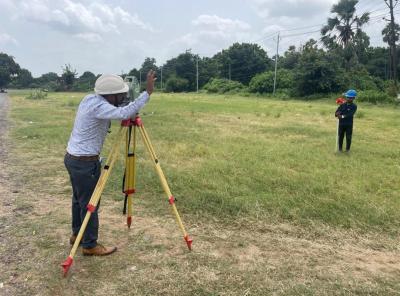
Take the survey plan to a licensed surveyor or survey office.
They will help you confirm:
If the land falls under government acquisition
If it’s free from road expansion or pipeline routes
Conduct physical inspection
Visit the property - Check:
Boundaries
Access road
Existing structures
Occupants
Neighbouring properties
Signs of competing claims
Whether the physical location matches the survey
Check for Encumbrances
Ask appropriate community/neighbourhood sources and conduct legal searches where necessary to determine whether there are known disputes, court proceedings or competing claims. Ask:
Is the land under dispute?
Is it being used as collateral?
Any family or community issues?
Meet the Neighbours and Community
Sounds simple, but very powerful 👇
Ask neighbours about ownership history
Confirm the seller is known in the area
Use A Property Lawyer
A qualified property lawyer should independently review the title and transaction documents before you commit substantial funds. Professional due diligence is particularly important where the land has a complicated ownership history.
Work With a Trusted Real Estate Company
Avoid “agent time wasting or wahala” by dealing with:
Registered companies
Verified developers
This reduces risk significantly.
Major Red Flags
Be extremely cautious if:
The seller refuses to provide title documents.
The seller insists you pay immediately.
The price is suspiciously below market value.
The seller says, “Don’t worry about verification.”
The survey plan cannot be properly verified.
The seller’s name does not match the title.
There are several people claiming ownership.
The land is occupied by someone other than the seller.
The seller cannot explain the chain of ownership.
There is evidence of government acquisition.
The property is subject to litigation or a mortgage.
You are asked to pay into an unrelated person’s account.
Conclusion
Never allow urgency to replace due diligence. DON’T BUY LAND BECAUSE THE PRICE IS RIGHT—BUY BECAUSE THE TITLE IS RIGHT.
Contact Information
Make it easy to reach you:
Call/WhatsApp: +2347057336226
Email: info@mannavillalimited.com
Website: www.mannavillalimited.com
TikTok: Mannavillaltd
Facebook: MannavillaLTD
Instatgram: Mannavilla_ltd
Youtube: Mannavilla