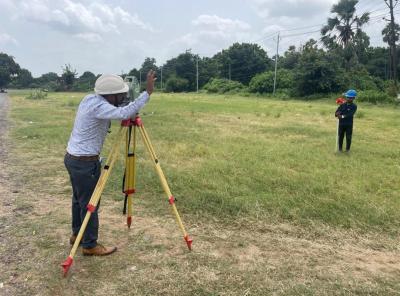
From Promise to proof – learn the 9 ways to verify a real estate developer so as master how to separate genuine developers from risky ones. Smart buyers verify first. Not all real estate developers are trustworthy, do your homework before you make any payment. Don’t judge credibility by a beautiful office, social-media presence, or persuasive salesperson alone. Use a structured verification process.
Verify Company Registration
Check if the company is registered with the Corporate Affairs Commission (CAC). Confirm that the developer is a legally registered business and check the company’s registration details with the appropriate corporate registry. Look for:
Correct company name
Registration number
Directors/owners where applicable
Current company status
Consistency between the registered details and the developer’s marketing materials
Inspect Past Projects
Ask: “What have they successfully delivered before?” Visit previous projects rather than relying only on photographs or testimonials. Examine the quality of construction, infrastructure, finishing and overall management.
Are projects completed as promised?
What is the build quality like?
Are clients satisfied?
Inspect Current Projects
Visit developments currently being marketed by the company. Look at:
Actual construction progress
Road infrastructure
Drainage
Electricity infrastructure
Water supply
Boundary demarcation
Site accessibility
Compare what you see with what was promised.
Check Reviews & Reputation
Search for independent information about the company and its principals. Look beyond promotional content and investigate:
Customer complaints
Disputes
Litigation
Regulatory issues
Reviews from previous buyers
Professional reputation Ask around or go online:
What are past buyers saying? Any complaints or disputes? One negative review doesn’t automatically make a developer fraudulent; look for patterns and how the company responds to legitimate complaints.
Examine Their Documents
A credible developer should provide:
Valid land titles (C of O, Governor’s Consent, Deed of Assignments, Survey plan etc.)
Clear layout plans
Transparent terms of purchase
Confirm Physical Office & Team
Avoid “online-only” developers with no traceable office.
A credible company should have:
A physical office
Professional staff
Clear communication channels
Watch How They Handle Questions
This is one of the simplest credibility tests. A trustworthy developer should generally be willing to answer reasonable questions and provide appropriate documentation for independent verification.
Speak to Existing Clients
Don’t only ask the developer for testimonials. If possible, independently speak with existing buyers and ask about:
Documentation
Delivery
Communication
Infrastructure
Customer service
Any unresolved issues
Examine the Contract Before Paying
Have a qualified property lawyer review the agreement before making a significant payment. This small step can save you millions.
Pay particular attention to:
Property description
Payment terms
Refund provisions
Delivery obligations
Infrastructure commitments
Documentation
Default clauses
Dispute-resolution provisions
Summary
Refusal to provide registration details, pressure tactics, unexplained urgency, refusal to provide documents, or promises of guaranteed returns should make you slow down and investigate further.